


Tarot Reading & Online Tarot Readers: A Beginner-Friendly Guide to Clarity
Tarot is now one of the most trusted ways to think about yourself, get emotional clarity, and make decisions—especially for people who want help without being judged. Tarot may help you calm down and look at things from a different angle, whether you’re interested in relationships, your job path, or just trying to figure out what’s going on in your own head.
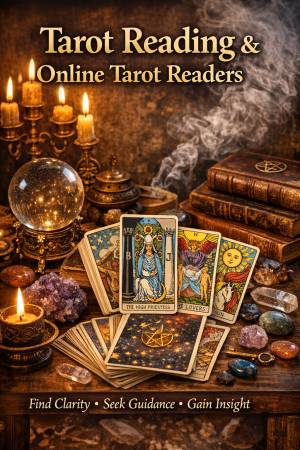
People used to generally get tarot readings in person, frequently from readers they heard about through word of mouth. But things are different now. Online tarot readings are becoming more popular since they are confidential, easy to get to, and easy to book from anywhere. At the same time, a lot of beginners are confused about how tarot works. Is it true? Who can you trust on the internet? What kinds of questions do you need to ask?
This tutorial will help you answer those questions in a way that is practical, moral, and easy for beginners to understand. You’ll learn what tarot actually is, how it works, the different types of readings you can get, how to find trustworthy online tarot readers, and how to be ready for a tarot session so that it feels empowering instead of frightened or confusing.
What Is a Tarot Reading?
A tarot reading is a planned approach to use symbolic cards to look at a situation, understand feelings and choices, and make sense of probable outcomes. Tarot doesn’t “force” the future or promise results. Instead, it works best as a way to think about things, like having a conversation with your inner wisdom while looking at a deck full of significant archetypes.
Most tarot decks have 78 cards, which are split into:
- Major Arcana (22 cards): Big life lessons, turning points, and spiritual lessons
- Minor Arcana (56 cards): Daily habits, feelings, problems, and actions
Four suits are frequently seen in the Minor Arcana:
- Cups: Feelings, relationships, and intuition
- Wands: Drive, passion, and creativity
- Swords: Ideas, talking, and making choices
- Pentacles: Money, stability, job, and life in general
A reading doesn’t have to be magical to be useful. A lot of people use tarot as a mirror to show them what they already feel but haven’t fully accepted yet.
You might also like Tarot Reading
How to Read Tarot Cards (In Simple Terms)
People have varied ways of explaining tarot. Some people look at it from a spiritual point of view, while others look at it from a psychological point of view, and still others use both. This is how the procedure usually works, no matter what method you use:
1) You Think About a Question or Part of Your Life
Most tarot readings begin with a topic, such as love, work, healing, making decisions, timing, or personal growth. A competent reader can help you locate a question even if you don’t have one.
2) The Cards Are Mixed Up and Drawn
You can pick cards in a lot of different ways, like one card, three cards, or a more complicated spread. The cards you pick make a “story” and show patterns.
3) The Reader Decodes Patterns and Symbols
A tarot reader sees:
- what each card means
- the connection between the cards
- repeated patterns or themes
- the tone and direction of emotions
- your query and situation
4) You Turn Insights Into Real Life
It’s not the goal to be able to forecast everything correctly. The real goal is to turn what you know into:
- judgments that are easier to understand
- respite from emotions
- better limits
- better talking to each other
- trust in what comes next
A reading is most helpful when it helps you make decisions, not when it makes you dependent.
Different Kinds of Tarot Readings (Love, Career, and More)
Tarot works for so many circumstances because it is versatile. People who are new to tarot sometimes think it’s simply about love, yet it can help with practically any area where you need to see things clearly.
Love Tarot Readings
Love is one of the most popular search terms since relationships may make people feel very strongly and unsure. A tarot reading that focuses on love might look at:
- emotional openness
- style of communication
- patterns of relationships
- getting over old relationships
- expectations and how well things work together
A love reading is most helpful when it talks about your options and limits instead of just “Will they come back?”
Career Tarot Readings
Career readings can help you figure out:
- if a role fits you
- what problems are getting in the way of growth
- how to deal with office politics
- what skills or way of thinking to work on
- which choice might give you stability
Tarot isn’t a replacement for strategy, but it can help you see things you might not be paying attention to, like burnout, fear of change, or a longing for independence.
General or Life Path Readings
These readings are useful when you don’t have a specific question. They often look into:
- the key idea of your current season
- lessons you keep going over
- what your gut feeling wants you to know
- where you need to let go of control
Spiritual Growth Readings
Some people use tarot to look into:
- journeys of healing
- shadow work topics
- emotional triggers
- patterns of the inner child
- change in yourself
This style is more about how you change on the inside than on the outside.
Decision-Making Readings
When you can’t decide between two things, tarot can help you compare:
- the energy of choice A
- the power of choice B
- what you gain or lose
- what feels most right
But tarot should never take away your power or duty. It should help you make your choice, not take it away.
Use Caution With Yes/No Tarot Readings
Yes/no readings are real, but they often make complicated life situations too simple. They can be enjoyable for short inquiries, but they’re not always the best choice for:
- relationships
- important choices in life
- mending of emotions
- legal or physical problems
Instead of forcing a yes or no answer, it’s wiser to ask, “What happens if I choose this?”
Online Tarot Readers vs In-Person Readings: What’s Better?
A lot of people ask if readings done online are “less real” than readings done in person in a quiet room. The truth is that both formats can be important. It depends on what you want and how comfortable you are.
Benefits of In-Person Tarot Readings
- strong energy exchange in person
- it’s easier to create trust quickly
- body language and the mood can help you relax
- great for emotionally deep sessions
Online Tarot Reading: What You Get Out of It
People appreciate working with tarot online for more than just the trend:
- privacy: you can get guidance without anyone knowing
- convenience: no travel, no stress, and no awkward waiting rooms
- more options: you can reach readers all over the world
- comfort: many people feel more at ease at home
- formats: chat, email, phone, and video are all options
This is why beginners who wish to get answers without worry often turn to online tarot readers.
When Online Readings Might Be Better for Newbies
Online sessions can feel safer if you’re new to tarot and are nervous. You can take your time, read the message twice, and think about it instead of reacting right away.
Common Ways to Read Tarot Online
Not every time you go online is the same. These are the most typical choices that online tarot reading sites give you:
Live Chat Readings
These are fantastic for:
- rapid responses
- users who are shy
- people who desire privacy
- simple advice without too much emotion
Video Call Readings
This feels the most like being there in person. Best for:
- emotive subjects
- hard readings
- long talks
- people who wish to see the cards
Phone Readings
Phone readings are surprisingly strong because they don’t have any visual distractions. They are fantastic if:
- you’re busy
- you want quick clarity
- you communicate better speaking than typing
Email or Written Readings
These often give more information and organization. They are perfect if you:
- want to read it again later
- like journaling and reflection
- prefer quiet guidance over fast conversation
Many novices like written readings because they can think about them without feeling rushed.
How to Pick Online Tarot Readers Without Getting Tricked
It’s fair to feel overwhelmed when there are so many tarot readers online. Some people are smart, honest, and down-to-earth. Some people may use fear, manipulation, or imprecise language. Here’s how to make a smart choice.
Look for Communication That Is Clear and Honest
A good reader tells you:
- what they can and can’t do
- what tarot is supposed to help with
- how the reading will be given
If someone promises guaranteed results, marriage in “3 days,” or says they can “remove curses instantly,” that’s a sign you shouldn’t trust them.
Pick a Reader Who Fits Your Style
Here are some styles of tarot readers:
- calm and emotional
- straightforward and honest
- spiritual and instinctive
- practical and coaching-based
There isn’t one “best” style. The best online tarot reading will feel like a respectful chat.
Don’t Read Reviews With Your Heart; Read Them Carefully
Reviews are important, but don’t just read one or two. Look for repeated patterns such as:
- “clear and correct”
- “made me feel better”
- “didn’t judge me”
- “gave useful advice”
Avoid readers with repeated complaints like pressure to pay more, fear-based language, unclear answers, or inconsistent information.
Don’t Make Claims That Are Too Dramatic
Tarot can be strong, but it shouldn’t feel like a scary movie. If a reading makes you feel scared, it probably isn’t ethical advice.
Ask About Ethics and Limits
Professional tarot readers will respect your space. They normally avoid:
- medical diagnoses
- legal advice
- fear-based predictions
- emotional dependency
Believe What You Feel After the Reading
A good session typically makes you feel:
- grounded
- more clear
- lighter emotionally
- empowered to make decisions
- supported but not controlled
Stop and take a break if you feel confused, terrified, or like you need “one more” reading.
What Makes a Tarot Reading Accurate?
The question of accuracy in tarot is complicated. Tarot is not a math-based prediction; it is an interpretation. Many people still say that readings are “shockingly accurate.” Here’s why that might happen.
A Good Reader Understands Human Behavior
Tarot readers who are good at what they do are emotionally aware. They recognize patterns like:
- avoidance
- fear of rejection
- people-pleasing
- burnout cycles
- self-sabotage
Even when we don’t want to see them, tarot cards often make these patterns very clear.
Tarot Works Well When You Ask Honest Questions
Your results are more likely to be clear if your question is straightforward. Tarot becomes more accurate when it reflects what’s truly going on beneath the surface.
Realistic Time Frames Improve Accuracy
Tarot is best for:
- energy right now
- direction for the near future
- patterns of behavior and emotion
- decision outcomes
Long-term “exact date” predictions aren’t always ideal because life and choices evolve.
You Have a Part in the Outcome
Tarot shows what could happen, not what must happen. If you change your actions, results can change too. That doesn’t mean tarot is wrong—it means life is flexible.
Common Tarot Myths That Beginners Shouldn’t Believe
Myth 1: Tarot Always Tells the Future
Tarot can explore possible outcomes, but its main purpose is to help you see things clearly and make choices—not to guarantee the future.
Myth 2: Tarot Is “Only for Spiritual People”
Not true. A lot of people use tarot without spiritual beliefs. It can be psychological, reflective, or symbolic.
Myth 3: The Death Card Means Someone Will Die
This is one of the most misunderstood cards. It often represents endings, transformation, and emotional rebirth.
Myth 4: You Have to Be Talented to Read Tarot
Anyone can learn tarot. Intuition helps, but practice and study matter too.
Myth 5: Tarot Is Dangerous or Evil
The tarot deck is made up of symbols. It only becomes harmful if someone uses it to scare or control others.
How to Ask Tarot the Right Questions (To Get Real Answers)
This is where beginners can quickly improve results. The quality of your questions shapes the quality of your reading.
Ask Questions That Give You Power
Instead of:
- “Will they love me?”
Try:
- “How can I make my relationship with them healthier?”
Instead of:
- “Will I get the job?”
Try:
- “What can I do to improve my chances and feel confident?”
Instead of:
- “Is my partner cheating?”
Try:
- “What truth do I need to acknowledge about trust and communication?”
Stay Away From Questions That Take Away Your Power
Tarot is most useful when it helps you stay in charge. Watch out for questions like:
- “What will happen to me?”
- “Am I doomed?”
- “When will my life finally work out?”
Replace them with:
- “What’s stopping me from moving forward?”
- “What should I focus on right now?”
- “What’s the healthiest next step?”
Guidance, Not Control
Tarot is not meant to control other people. Better questions explore your choices, boundaries, and emotional needs.
Beginner-Friendly Tarot Questions
- “What energy is affecting my life right now?”
- “What am I not seeing clearly?”
- “What should I let go of?”
- “What should I focus on this month?”
- “What would self-respect look like in this situation?”
Things to Look Out for on Online Tarot Reading Sites
Promises of Guaranteed Results
No ethical reader can promise marriage, money, pregnancy, or exact results. Tarot should help you deal with uncertainty, not pretend life has no free will.
Fear-Based Upselling
If someone says, “You have a curse,” “Your aura is blocked,” or “Pay now or something bad will happen,” be cautious. That’s manipulation—not guidance.
Vague Answers That Fit Everyone
If every message sounds generic and offers no practical insight, the session may not be a high-quality tarot card reading.
Pressure to Buy More
A good reading should stand on its own. Ethical readers may suggest follow-up options, but you should never feel forced.
Can You Read Tarot Cards for Yourself?
Yes, reading tarot cards for yourself is one of the best ways to use them. But you have to be honest and grounded.
Benefits of Self-Reading
- deep emotional reflection
- daily grounding and clarity
- stronger intuition over time
- journaling support
Challenges of Self-Reading
- bias (you may see what you want to see)
- emotional attachment to outcomes
- pulling too many cards when anxious
A good rule: pull cards, reflect, then stop. Tarot should calm your mind—not create overthinking.
How Often Should You Get a Tarot Reading?
This depends on your personality and what’s happening in your life. In most cases:
- once a week: general guidance
- once a month: bigger themes and goals
- occasionally: major decisions or life transitions
Too much tarot can create confusion. If you keep asking the same question, you may receive different answers because your energy shifts and your mind becomes anxious.
Last Thoughts: Tarot Is a Tool for Clarity, Not Control
Tarot has lasted for generations because people want to understand life—especially during emotional uncertainty. Used ethically, tarot offers insight, comfort, and direction. It helps you pause, reflect, and make a more informed choice about what to do next.
- Don’t obsess with tarot; use it to learn
- Ask questions that give you power
- Pick readers who respect your free will
- Don’t expect guarantees; look for guidance
If you’re new, keep it simple: one strong question, one reading you can trust, and one step forward.
You might also like Online Tarot Readers
Latest Articles
-
 Mar 3, 2026The Global Meaning of Holi: More Than Just Colors
 -
Feb 25, 2026Career & Legal Astrology 2026: Awareness Is the New Power
-
Feb 23, 2026The Casino Style of Your Zodiac Sign: Strategic Player or a Risk-Taker?
-
Feb 20, 2026Career Opportunities in Psychological Counseling
-
Feb 19, 2026An Analysis of Yoga Science: Understanding Yoga as a Spiritual Science


© 2025 by Truthstar Future Vision Pvt Ltd All Right Reserved
